© Privécollectie Paula Bakker
Paula Bakker – Curfew
I was playing in the Spuistraat when all of a sudden it was very quiet. Then a woman who lived there said: “You should go home now because it’s curfew.” It was 8 o’clock! I had no idea and hadn’t been told about it. I walked home and still remember that when I went over the big bridge that it was very quiet.
A very nice woman. She used to have Indonesian students lodging with her who stayed for all of the war. They were very poor because they weren’t sent any money from home anymore – all ties with Dutch Indonesia were cut. They looked really poor.
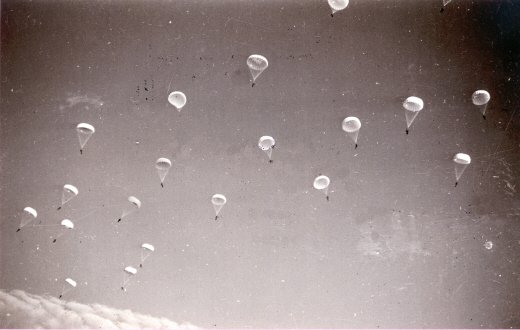
What you noticed about the war was that the Tommies who flew over, that’s what we called the English planes that flew over on their way to bomb Germany. We liked the noise of those planes it gave us hope that the war would end. We didn’t even think about what sort of terrible things those bombs meant.
Sometimes the siren went off just before school started. If that happened, my friend Loes and I pretended we weren’t there. We could have run in to school, but we didn’t do that. We stayed outside until later when the school said that we had to go in if the siren went off.

All the windows were blacked out. Outside there were no lights. Of course this was because they were afraid that the English would drop bombs. Sometimes in the winter when it was dark you would hear someone shouting: “Help, help”. That was usually a German soldier who had fallen in the water after curfew. It was a lonely sound. But …yes, we became hard. You thought: ok…they’re our enemies, they shouldn’t have been here in the first place. But then again they were only German boys who had been called up to do their duty.
Paula Bakker
Paula Bakker is 10 years old when war breaks out. Her unmarried mother runs a boarding house on the Singel with Paula’s stepfather. 10 people live in the house: people who rent rooms and those who are boarding house guests. Most of them are unmarried or divorced and with some of them she has a lot of contact with others none. Paula experiences the occupation in many different ways.
More about this person